
Creating a Healthier Indoor Environment
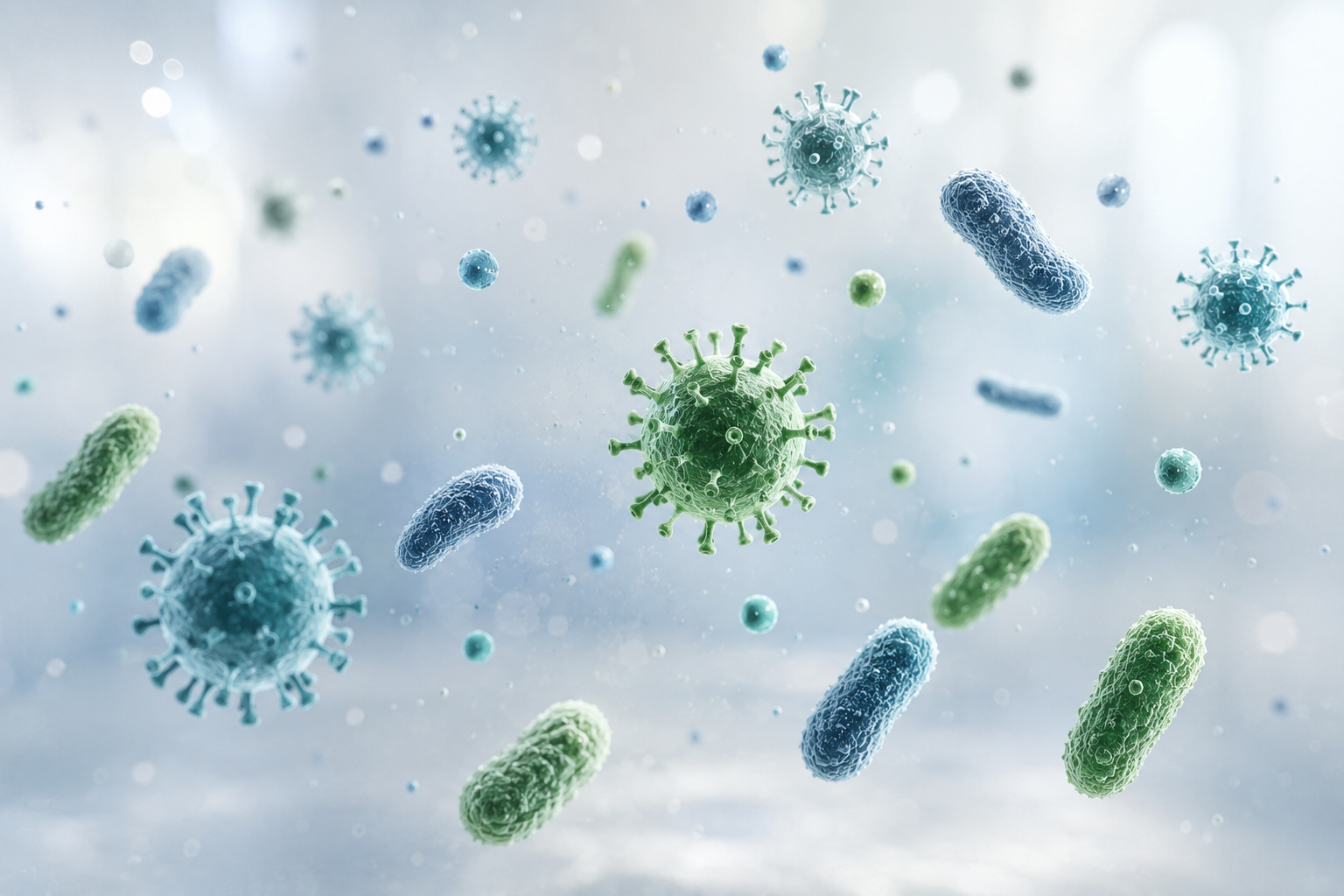
By now, we’ve learned that viruses and bacteria are part of the natural microbial world.
We’ve also seen that some infectious microorganisms can spread indoors through respiratory droplets and aerosols under the right circumstances.
The next question is an obvious one:
“What can we realistically do?”
The answer isn’t to rely on a single solution.
Instead, scientists and public health professionals recommend a layered approach, where several measures work together to reduce risk.
Think of it like wearing a seatbelt while driving.
A seatbelt is important.
But it works alongside airbags, good brakes, road design and safe driving habits.
Indoor health works in much the same way.
The Layers of Protection
Imagine your home as a well-managed ecosystem.
Each layer contributes something different.
Good Ventilation
Fresh outdoor air helps dilute indoor air by replacing part of the air already inside the room.
As we explored in Article 8, ventilation reduces the concentration of many indoor pollutants—not just respiratory particles.
Staying Home When Unwell
One of the simplest and most effective ways to reduce the spread of respiratory infections is to minimise close contact with others while contagious.
This protects family members, friends and colleagues.
Good Respiratory Hygiene
Covering coughs and sneezes, disposing of tissues properly and washing hands remain simple habits that help reduce the spread of infectious microorganisms.
Although many respiratory infections spread through the air, contaminated hands and surfaces can also contribute to transmission for some diseases.
Cleaning Frequently Touched Surfaces
Door handles.
Remote controls.
Light switches.
Kitchen counters.
These are touched many times each day.
Regular cleaning helps reduce the build-up of microorganisms on these commonly used surfaces.
Appropriate Air Cleaning
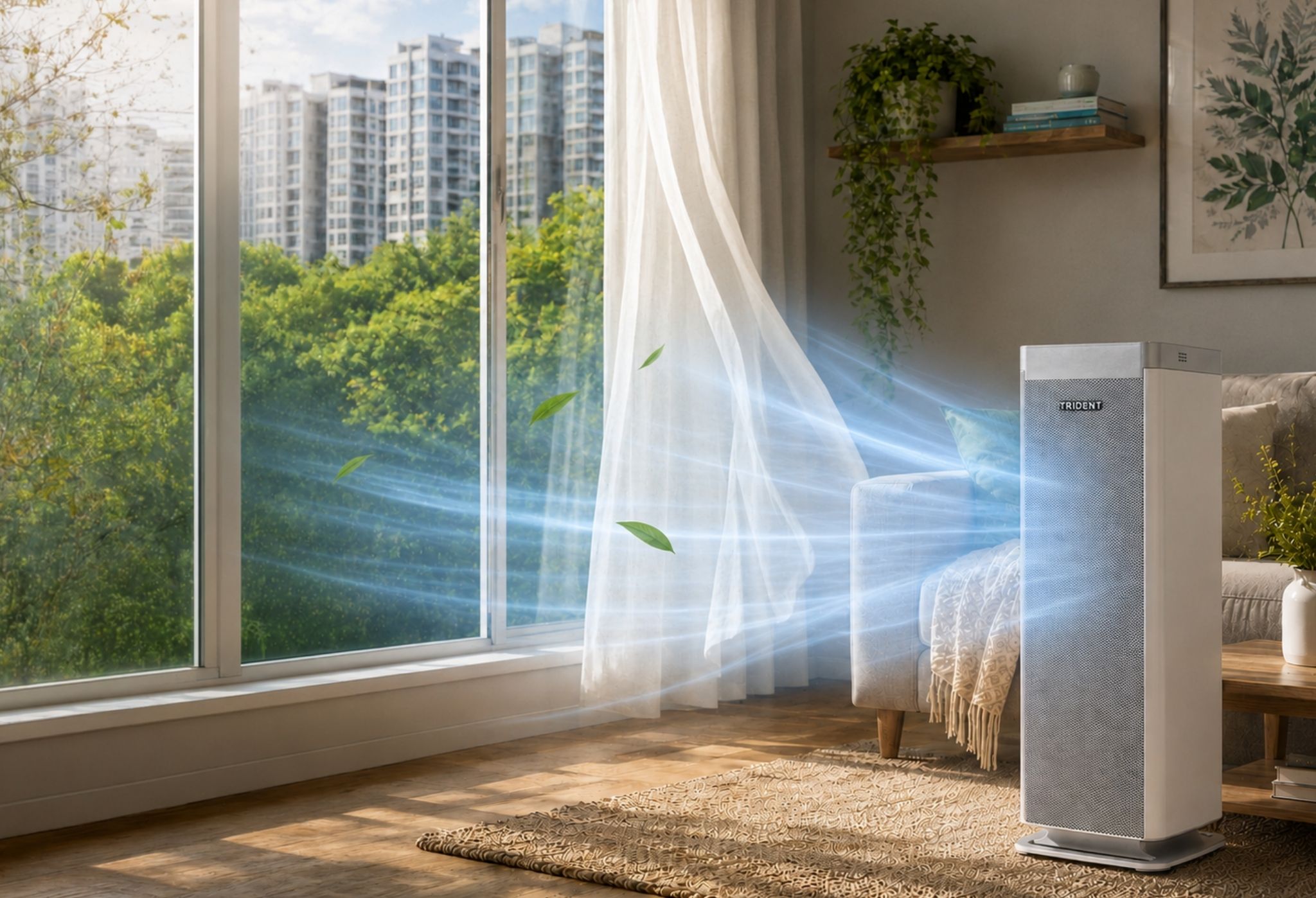
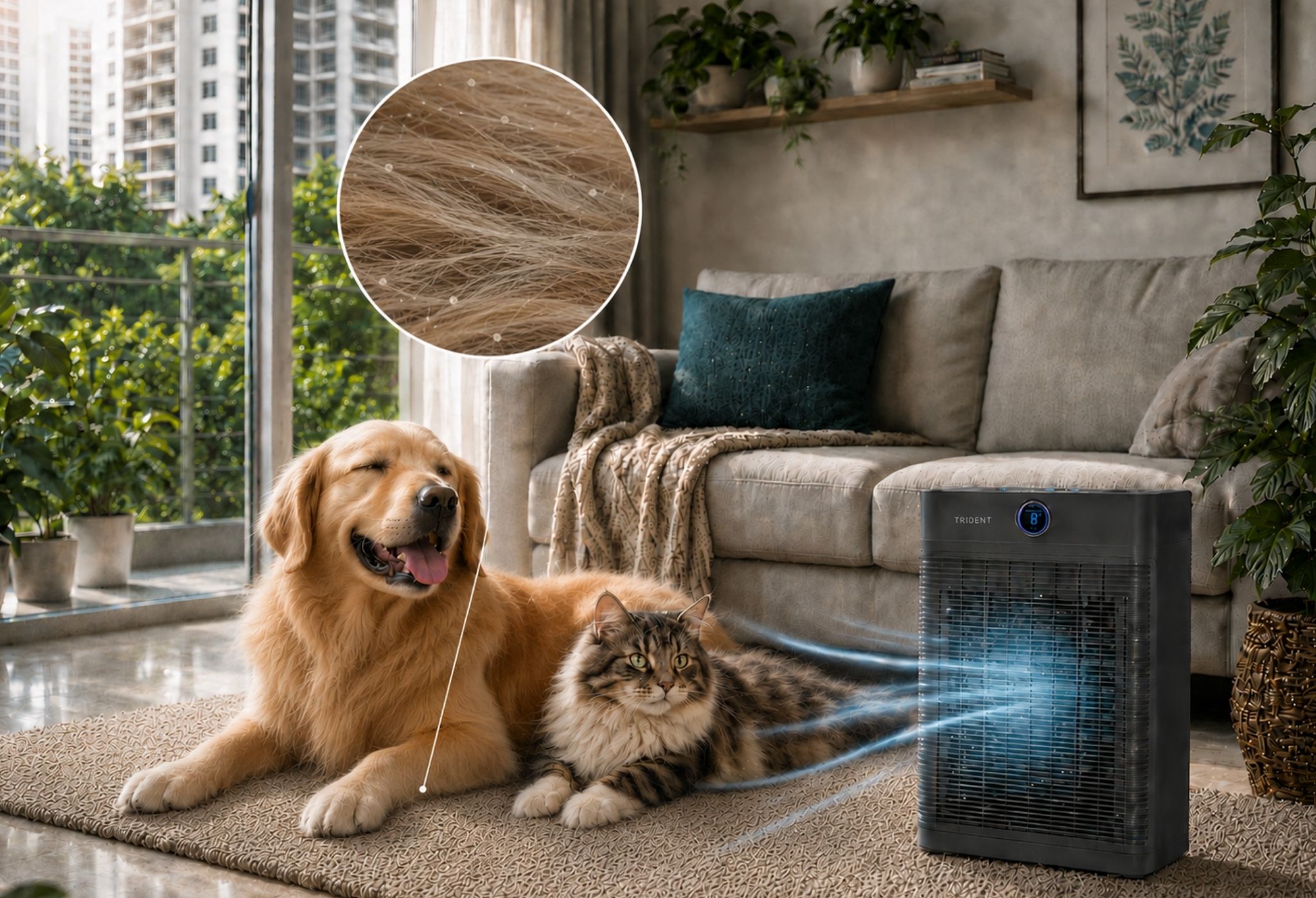
Air cleaning technologies can play an important role, particularly in enclosed indoor environments.
Different technologies work in different ways.
Some are designed primarily to capture airborne particles.
Others are intended to reduce or inactivate certain microorganisms while they are suspended in the air.
The effectiveness of any technology depends on factors such as airflow, room size, operating conditions and the specific microorganisms involved.
Air cleaning should therefore be viewed as one layer of protection, rather than a complete solution on its own.
Science Minute
Air Purification and Air Sanitisation: What’s the Difference?
These two terms are often used interchangeably, but they describe different goals.
Air purification generally refers to removing unwanted particles or gases from the air through methods such as filtration or adsorption.
Air sanitisation generally refers to reducing or inactivating microorganisms suspended in the air using technologies designed for that purpose.
Some systems aim to perform both functions.
Understanding this distinction helps explain why different products may be designed for different indoor air challenges.
Myth vs Fact
Myth
Every bacterium is harmful.
Fact
Most bacteria are harmless, and many are beneficial to humans and the environment.
Myth
Every virus spreads through the air.
Fact
Different viruses spread in different ways. Some are primarily transmitted through respiratory particles, while others spread mainly through direct contact, contaminated food, water or insect vectors.
Myth
One solution can completely eliminate infection risk indoors.
Fact
Reducing the spread of infectious diseases usually involves multiple complementary measures, including ventilation, hygiene, cleaning and appropriate air management.
Myth
If indoor air looks clean, it must be free of microorganisms.
Fact
Viruses, bacteria and many airborne particles are microscopic and cannot be seen with the naked eye.
Frequently Asked Questions
Can an air purifier remove viruses?
Some air purifiers are designed to capture airborne particles, including particles that may carry viruses, as air passes through the device. Some air sanitisation technologies are designed to reduce or inactivate certain microorganisms under specified conditions.
However, no device can guarantee complete protection from infection, and performance depends on the technology, operating conditions and how the device is used.
Can bacteria float in the air?
Yes.
Some bacteria can become airborne by attaching to droplets, dust or other particles.
How long they remain suspended depends on many factors, including particle size, airflow and humidity.
Does opening a window help?
In many situations, increasing fresh air ventilation helps dilute indoor air.
However, the best approach depends on outdoor air quality, weather conditions and the design of the building.
Why did ventilation become such an important topic during COVID-19?
The pandemic highlighted the importance of understanding how shared indoor air can influence the transmission of some respiratory infections.
It also accelerated research into ventilation, filtration and indoor air management.
Inside the Lab
Scientists studying airborne microorganisms rarely ask a simple question like:
“Are there germs in this room?”
Instead, they investigate a much broader picture.
How many people are present?
How much fresh air is entering the room?
What is the airflow pattern?
How long are people sharing the space?
What microorganisms are being studied?
What environmental conditions are present?
Only by considering all these factors together can researchers understand how microorganisms behave indoors.
Indoor environmental science is, above all, the science of interactions.
Five Things Most People Don’t Know
- Most microorganisms around us are harmless, and many are beneficial.
- Viruses and bacteria are fundamentally different types of microorganisms.
- Airborne transmission depends on many interacting factors, not simply the presence of a microorganism.
- Ventilation helps dilute shared indoor air but works best as part of a broader strategy.
- Creating healthier indoor environments involves combining ventilation, hygiene, cleaning and, where appropriate, air cleaning technologies.
One-Minute Summary
If you remember only one thing from this article, remember this:
The air we share is part of the environment we share.
Understanding how viruses and bacteria move indoors isn’t about creating fear—it’s about understanding how thoughtful building design, sensible daily habits and appropriate technologies can work together to support healthier indoor spaces.
Knowledge, not fear, is our most effective tool.
Key Takeaways
- Viruses and bacteria are different types of microorganisms with different characteristics.
- Some infectious microorganisms can spread through respiratory droplets and aerosols.
- Ventilation, occupancy, airflow and time all influence indoor transmission.
- No single measure completely eliminates risk; a layered approach is the most effective.
- Air purification and air sanitisation are complementary concepts with different roles in indoor air management.